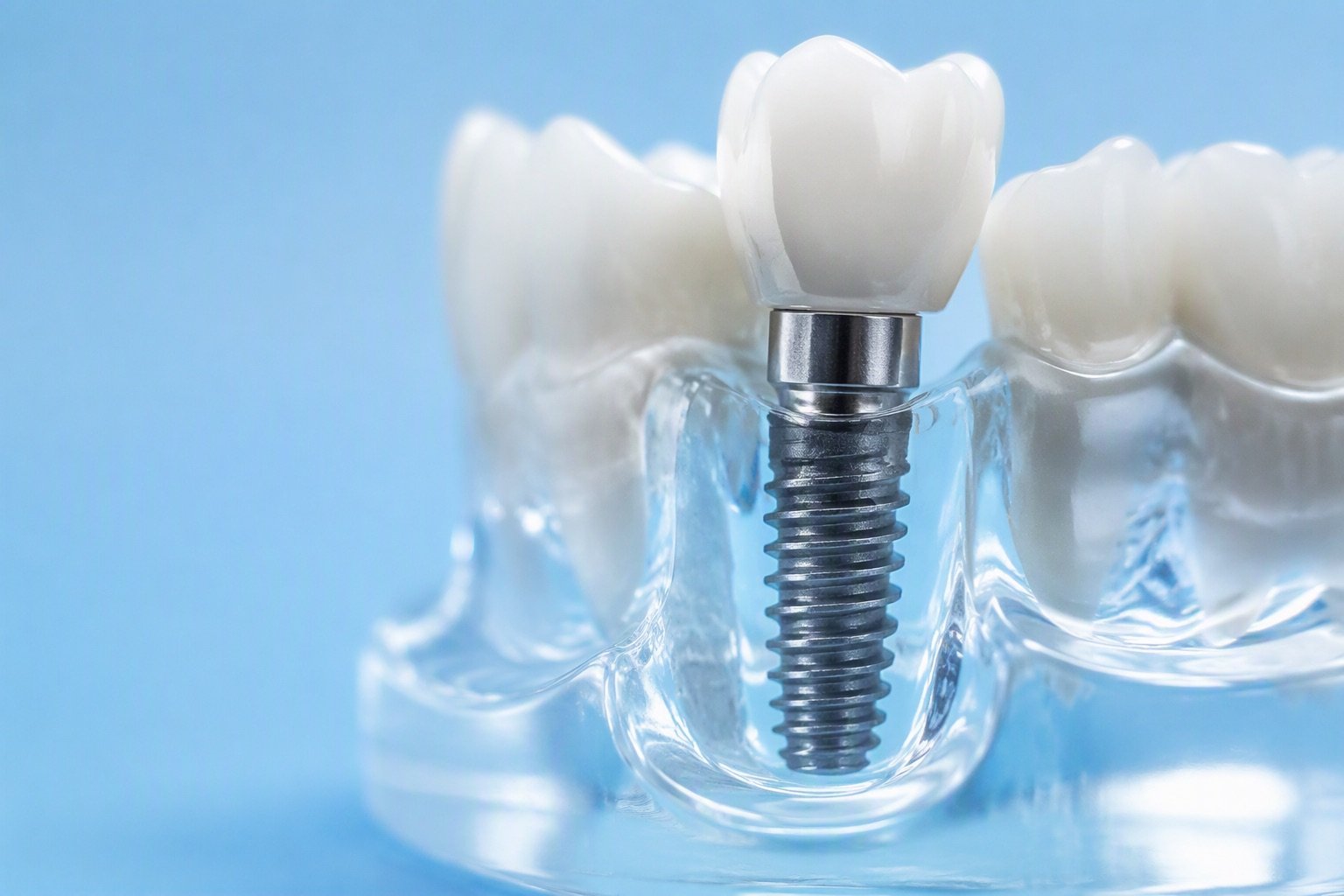
When the upper molars have been missing for years, the bone under the maxillary sinus it becomes thinner and is no longer enough for a system. The maxillary sinus lift it is the surgery that recreates that bone. In this guide we explain how much does it cost, the two techniques (mini-rise and big rise), the healing times and when it can be avoided.
What it is and why it is needed
The maxillary sinus is a pneumatic cavity above the upper molars. After tooth loss, the bone is resorbed and the sinus "expands" downwards: often only 2-5 mm of bone remains, too little to anchor an implant (which requires at least 8-10 mm of bone around it).
The upside consists of gently lift the membrane that lines the breast and insert under it grafting material (synthetic or deproteinized bovine bone), which in the following months transforms into real bone. It is one of the most studied and predictable regeneration procedures in implantology, with documented success rates exceeding 90-95%.
The two techniques: mini-rise and big rise
Mini-lift (transcrestal technique, internally): when a few millimeters of bone are missing (5-7 mm residual), access is made through the hole of the implant itself, the membrane is raised by 2-4 mm and the implant is inserted in the same session. Rapid, minimally invasive intervention, healing together with osseointegration.
Large rise (side window): when the residual bone is very scarce (less than 4-5 mm), a small window is opened on the lateral wall of the sinus, the membrane is raised and filled with biomaterial. In many cases the implant is already inserted in the same session; in cases of extreme bone, wait 4-6 months and implant at a later time.
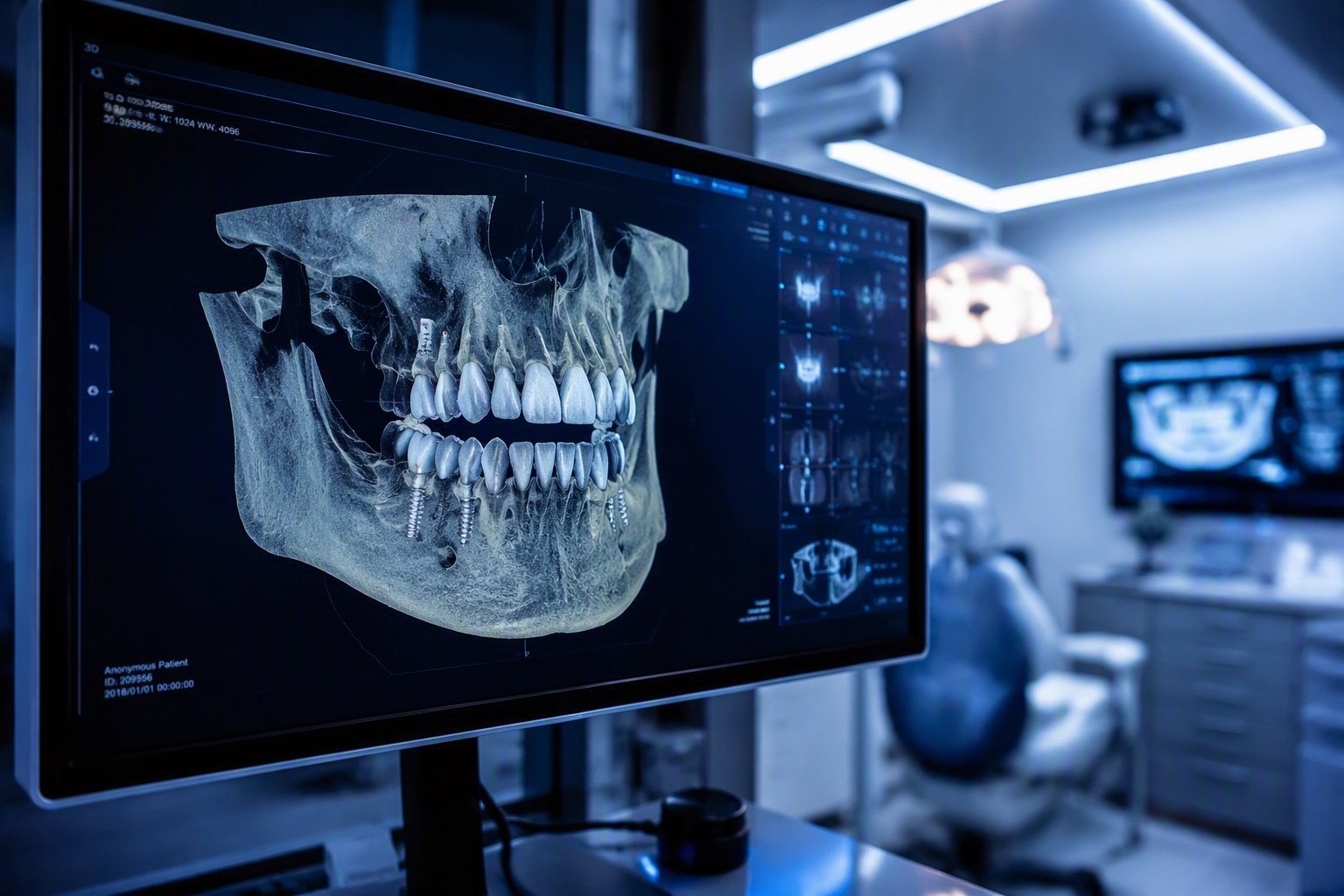
The choice depends on a number: i millimeters of residual bone measured on the 3D CT scan, which we perform in the clinic.
How much does it cost: price table
| Intervention | Average price in Italy | From Sanitadental Clinic |
|---|---|---|
| Maxillary sinus lift (each side) | €800 – €2.000 | listed in the implant plan, in a significantly lower range than average |
| Transcrestal mini-lift (contextual to the implant) | €400 – €900 | often included in the price of the implant when grafting is minimal |
| Complete implant (fixture + zirconium crown) | €1.500 – €2.500 | from €350 on promotion (list €600) |
| 3D CT planning | €80 – €250 | included in the first visit |
Italian prices = indicative market averages; our quote is written, signed and blocked for 30 days.
The increase is an item that varies greatly from case to case (graft volume, technique, number of sides): this is why we quote it only after the CT scan, in writing, together with the plan of the dental implants. No "surprises during construction".
Healing times and course
The post-operative course is simpler than feared: swelling and discomfort for 3-7 days, managed with the prescribed therapy; ban on blowing your nose forcefully, sneezing with your mouth open and no airplane for about a week (the pressure variations stress the sinuses). The stitches are removed after 10-14 days.
The biological times: the graft material transforms into mature bone in 4-6 months. If the implant was inserted at the same time (most frequent case), the wait coincides with osseointegration and does not lengthen the overall plan. In deferred cases, a phase is added, which we plan from the beginning with precise dates - important for those who organize trips from Italy.
Can the rise be avoided? Sometimes yes
Not always needed: with implants inclined (protocols All on 4), shorter implants or alternative placements, many borderline cases resolve without touching the breast. Our approach: on the CT scan we first evaluate whether there is an implant solution that avoids the graft; we propose the increase when it is truly the best way for stability and durability. For a free evaluation of your x-ray, write to us at contacts.