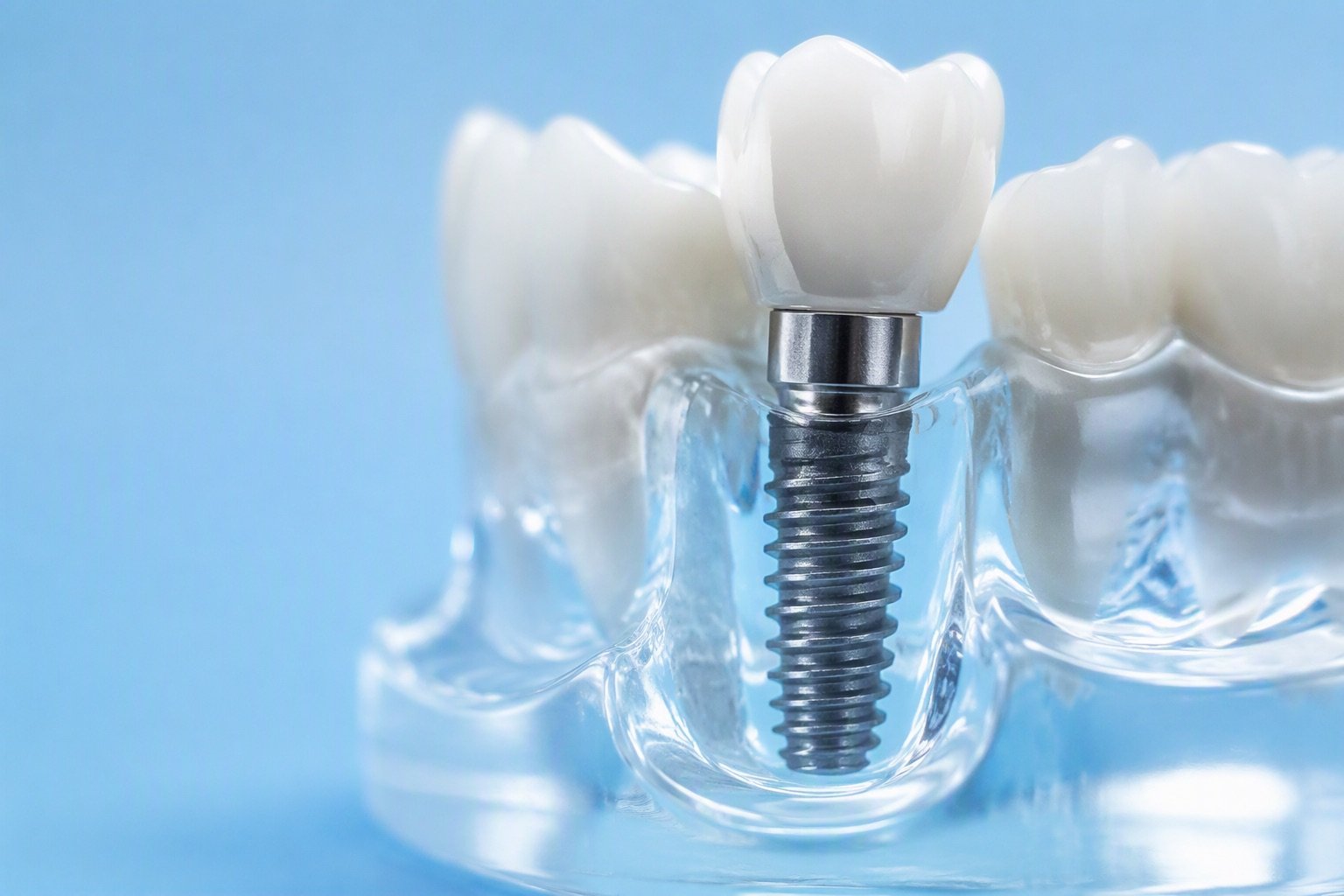
Once a dental implant has integrated into the bone, it is built on top prosthetic crown: the visible part, the actual "tooth". In this guide we explain how much does a zirconium crown on implant cost, which components make up the price (and which tricks to avoid in estimates) and the differences compared to the crown on a natural tooth.
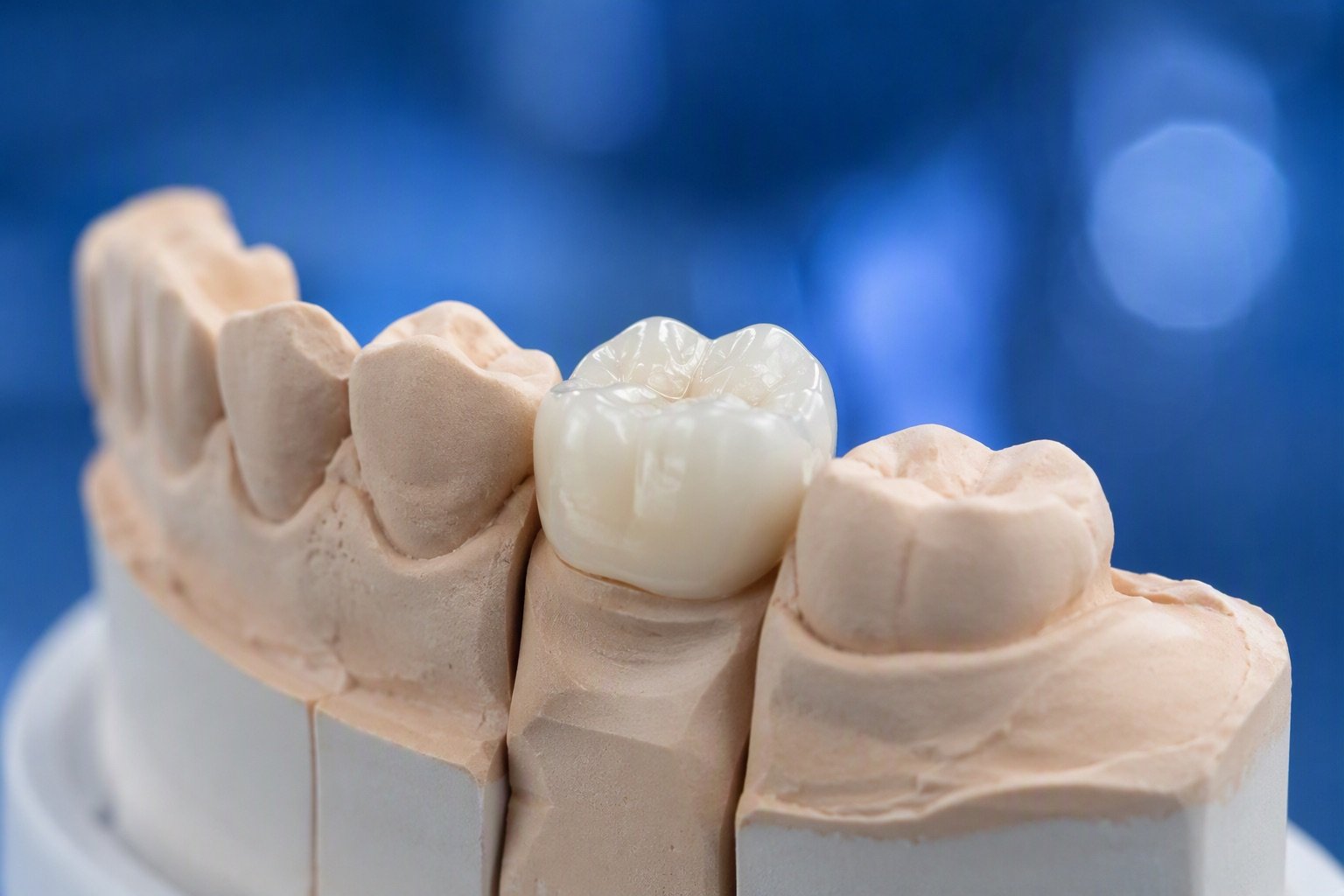
Crown on implant vs crown on natural tooth
On a natural tooth the cap is cements on the prepared tooth stump. On an implant the crown connects to an intermediate component called abutments (abutment), which is screwed to the implant; the crown can be in turn screwed to the abutment (our preferred solution: retractable and repairable) or cemented onto it.
This means that the price of the crown on the implant includes multiple components: abutment (standard or customized), zirconium crown, connection screws, impression and tests. So be careful when comparing quotes: some practices quote "the crown" and add the abutment separately.
How much does it cost: price table
| Voice | Average price in Italy | From Sanitadental Clinic |
|---|---|---|
| Complete implant (fixture + abutment + zirconium crown) | €1.500 – €2.500 | from €350 on promotion (list €600) |
| Zirconium crown on already integrated implant (abutment + crown) | €700 – €1.300 | quoted in the plan, in line with the crown price list (€250 + components) |
| Custom titanium abutment (when needed) | €200 – €400 | included or quoted in writing |
| Temporary crown on implant | €100 – €300 | included in rehabilitation plans |
Italian prices = indicative market averages; our quote is written, signed and blocked for 30 days.
The item to check in every estimate is the wording "complete system": must include fixture, abutment and crown. An "€800 implant" that excludes the crown is not comparable to a full price. In our quotes each component is listed separately, so you see exactly what you pay.
Because zirconium also on implants
On implants, the zirconium crown offers three advantages: aesthetics (no metal showing through thin gums, especially in the frontal areas), biocompatibility (the gum tissues adhere well to zirconium, with less plaque accumulation than alloys) and resistance (the monolithic zirconium supports high loads in the posterior sectors).
In the aesthetic sectors we apply ceramic stratifications to reproduce translucency and characterizations of neighboring teeth; in the molars we use monolithic zirconium for maximum strength. Production takes place in our internal laboratory with CAD/CAM flow: see also the page zirconium crowns.
Phases and times after osseointegration
Once the implant has been integrated (3-6 months after insertion), the prosthetic path requires: reopening and positioning of the healing screw (if not already present), precision imprint with transfer, CAD design, proof of the artefact for checking aesthetics and occlusion, and definitive screwing with radiographic control.
With the internal laboratory we complete this phase in 3-5 days: those who have installed the systems with us return for the second phase in a single short stay. To plan the dates write to us from the page contacts.
Because the price is lower here
The same applies to all prosthetics: internal laboratory (no mark-up of the external laboratory, which in Italy also costs €300-500 per crown) and lower operating costs of the clinic. The implants and components we use are from CE certified international manufacturers, with batch traceability delivered to the patient. Our Italian colleagues work with the same materials: their prices reflect higher structural costs, not different quality. And the expense remains deductible in Italy.